 Definition

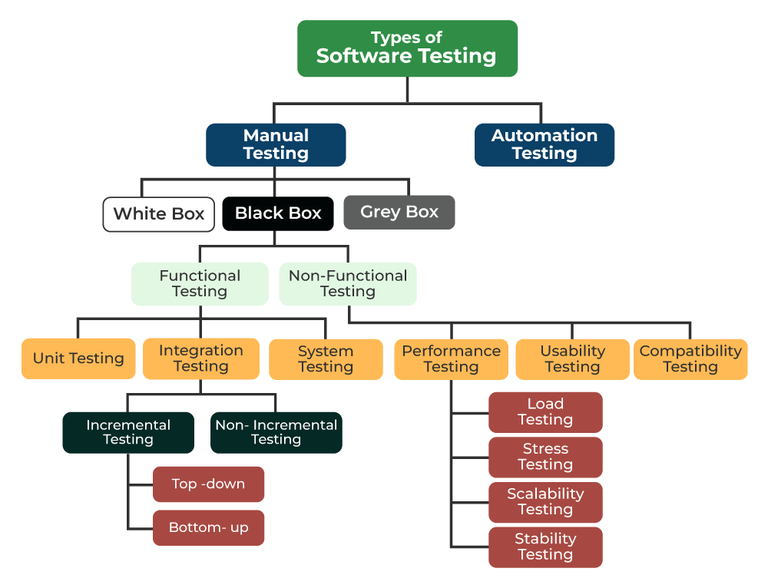
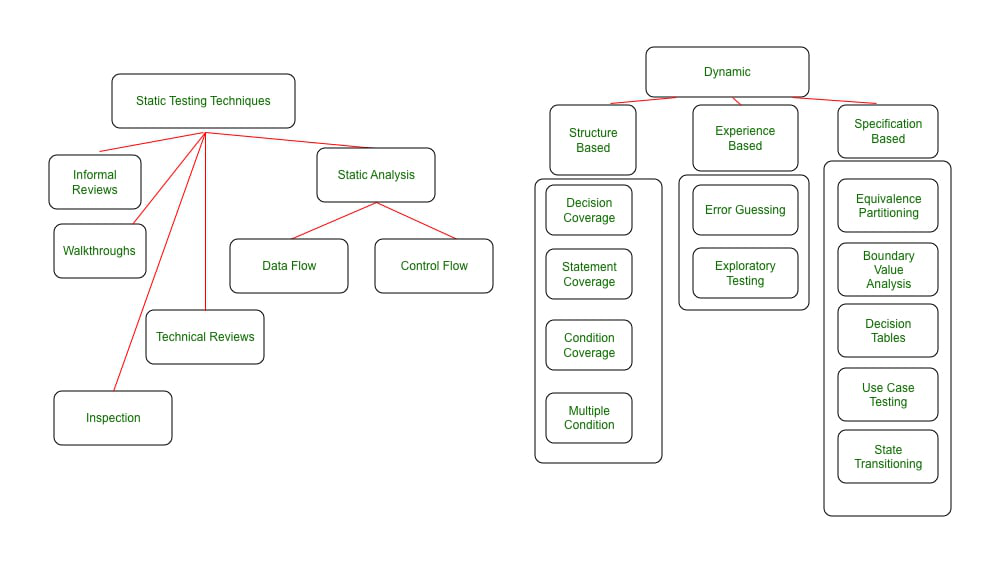
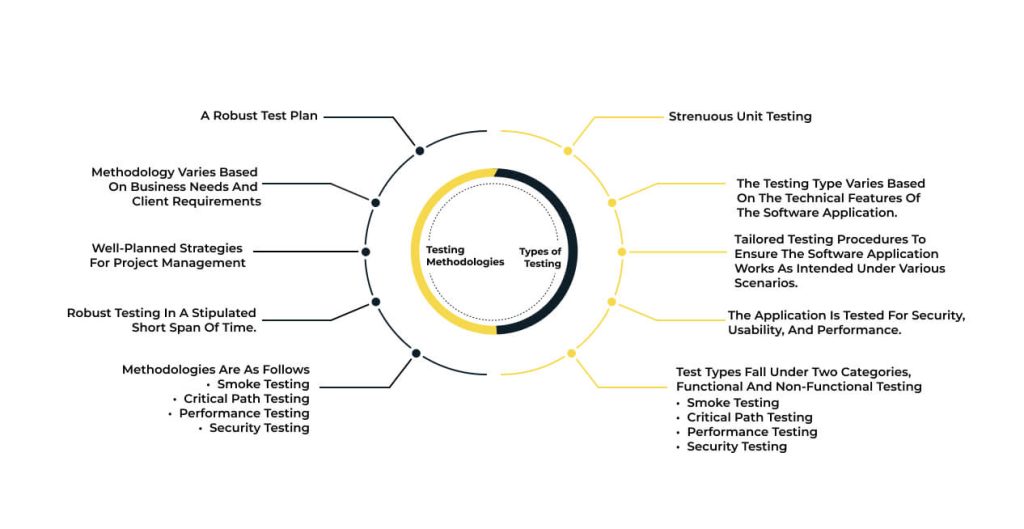
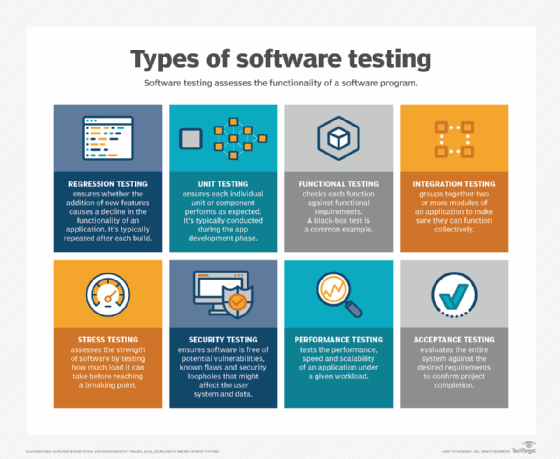
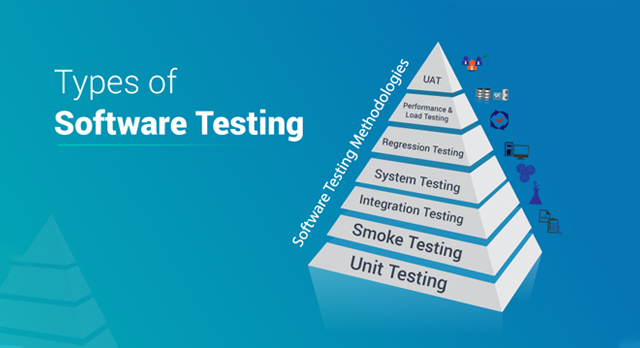
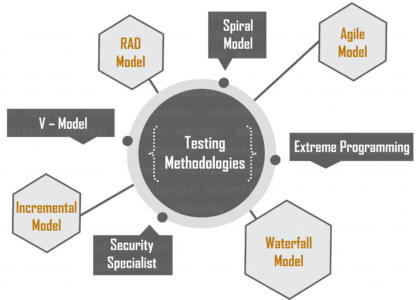
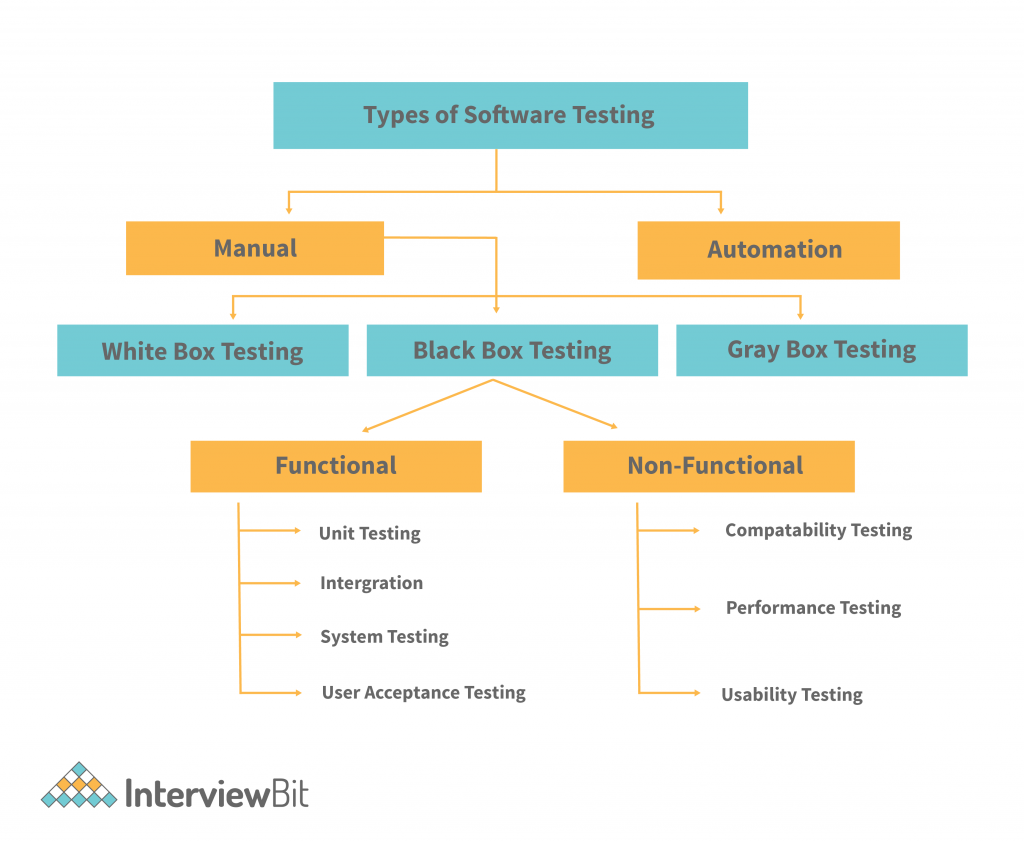
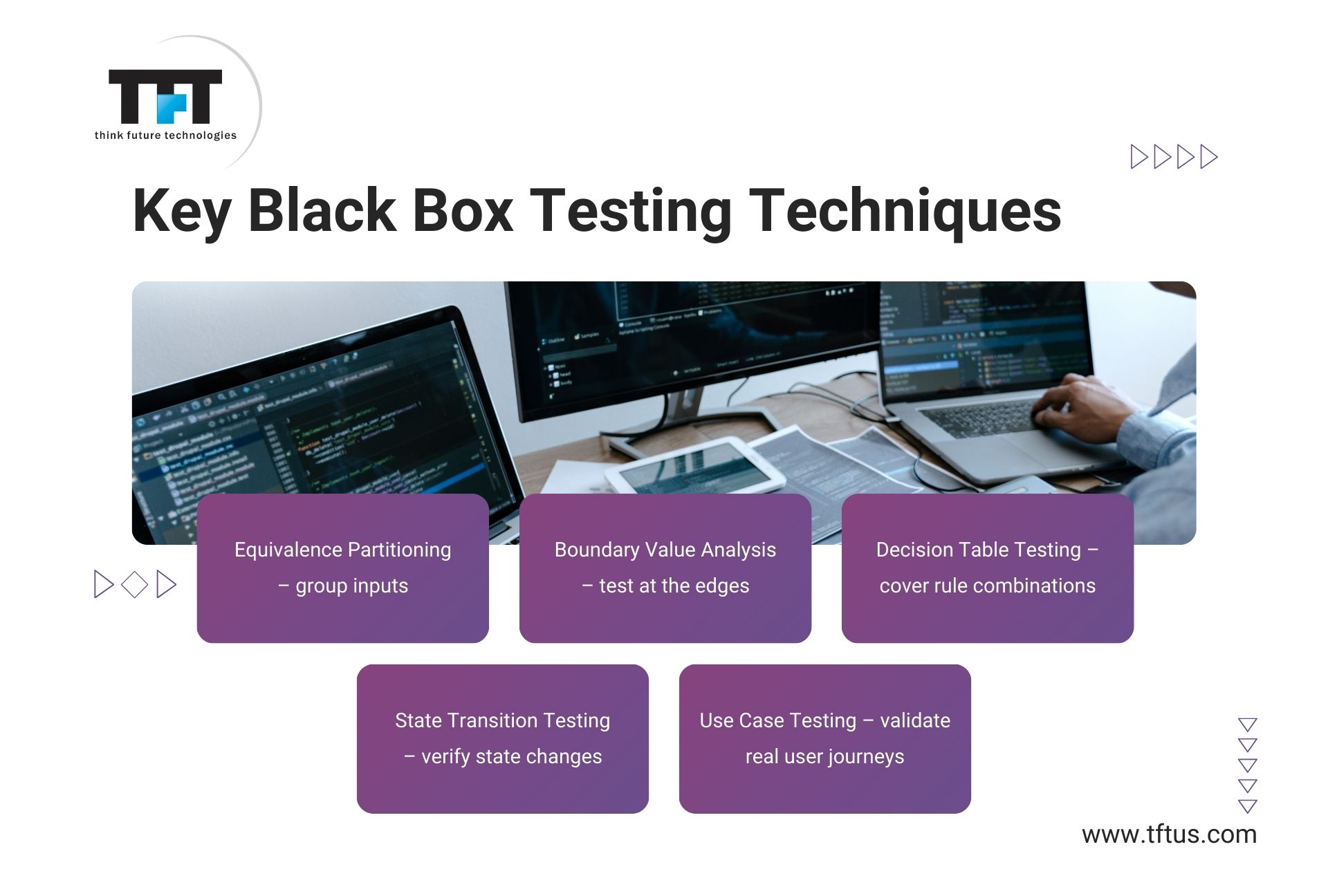
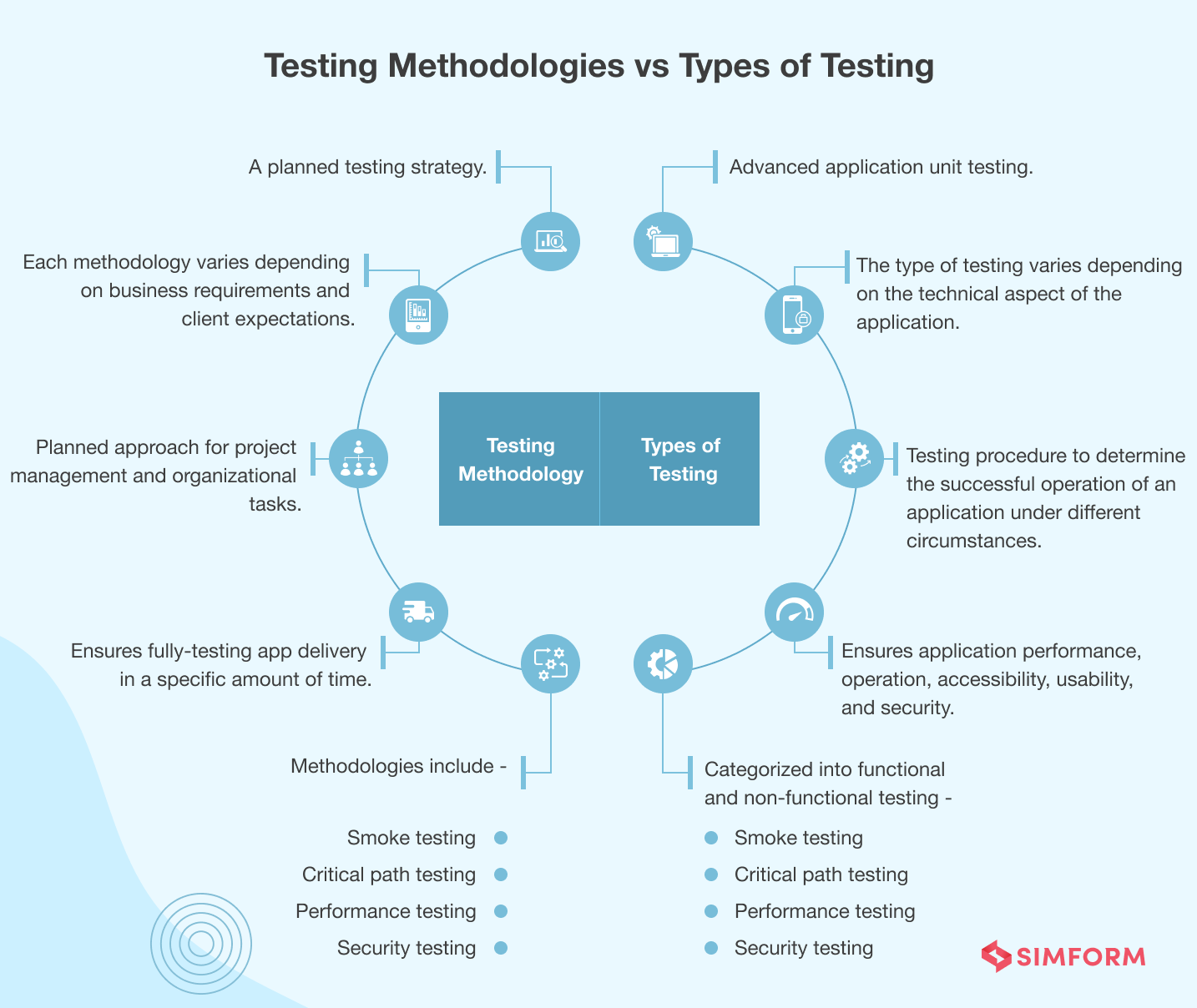
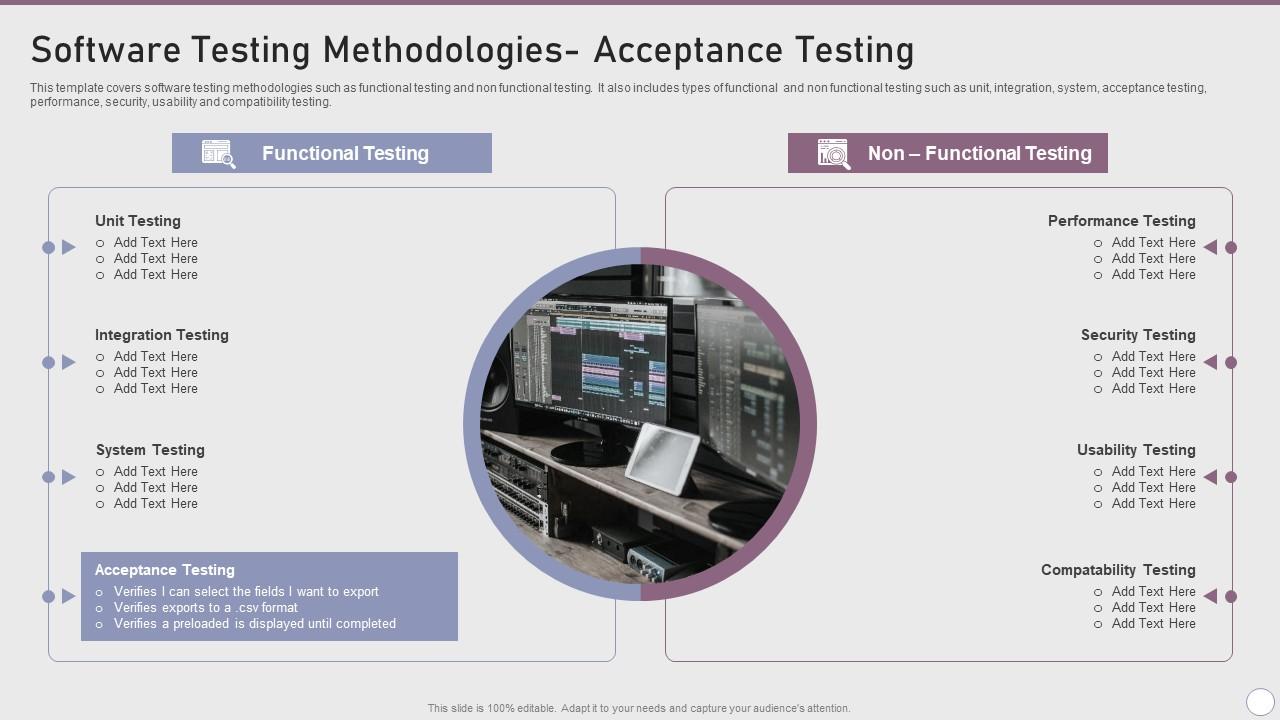
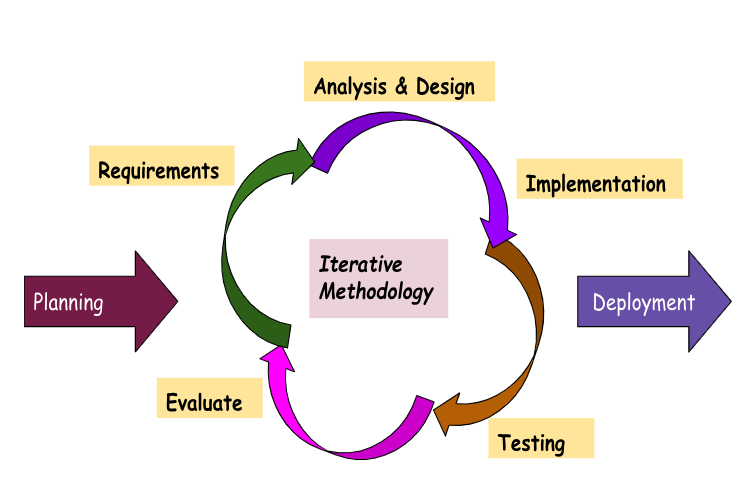
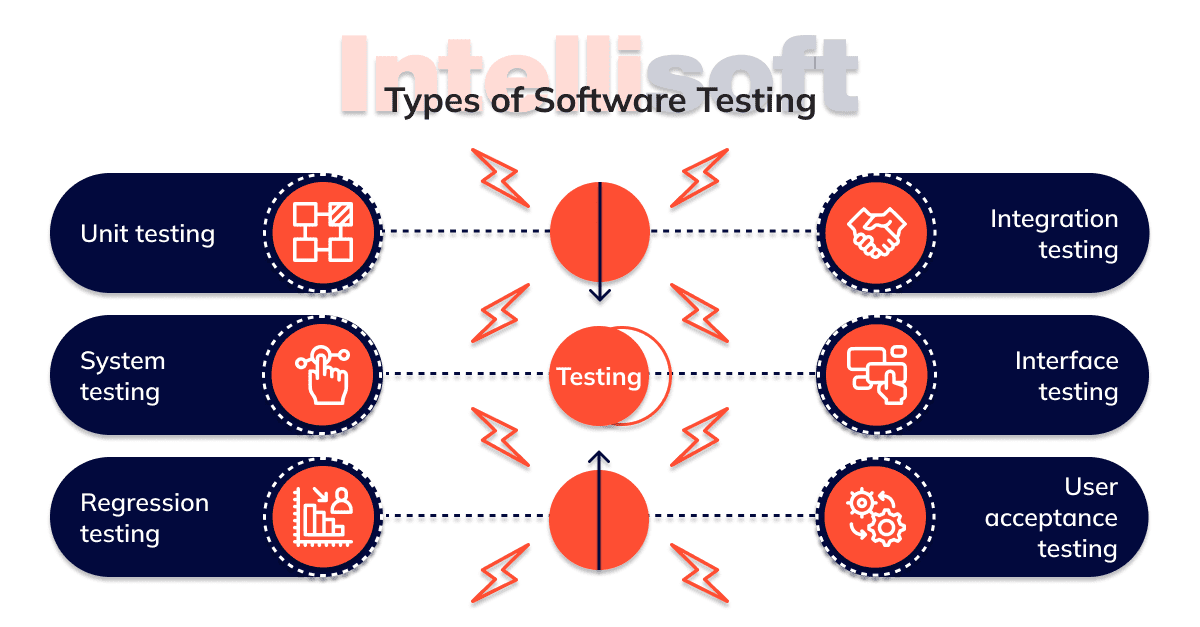
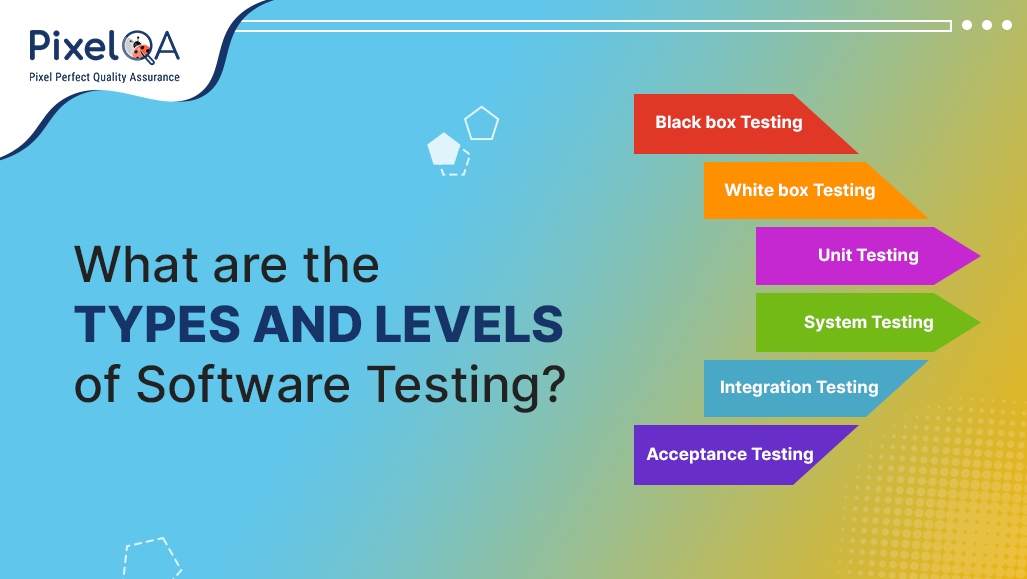
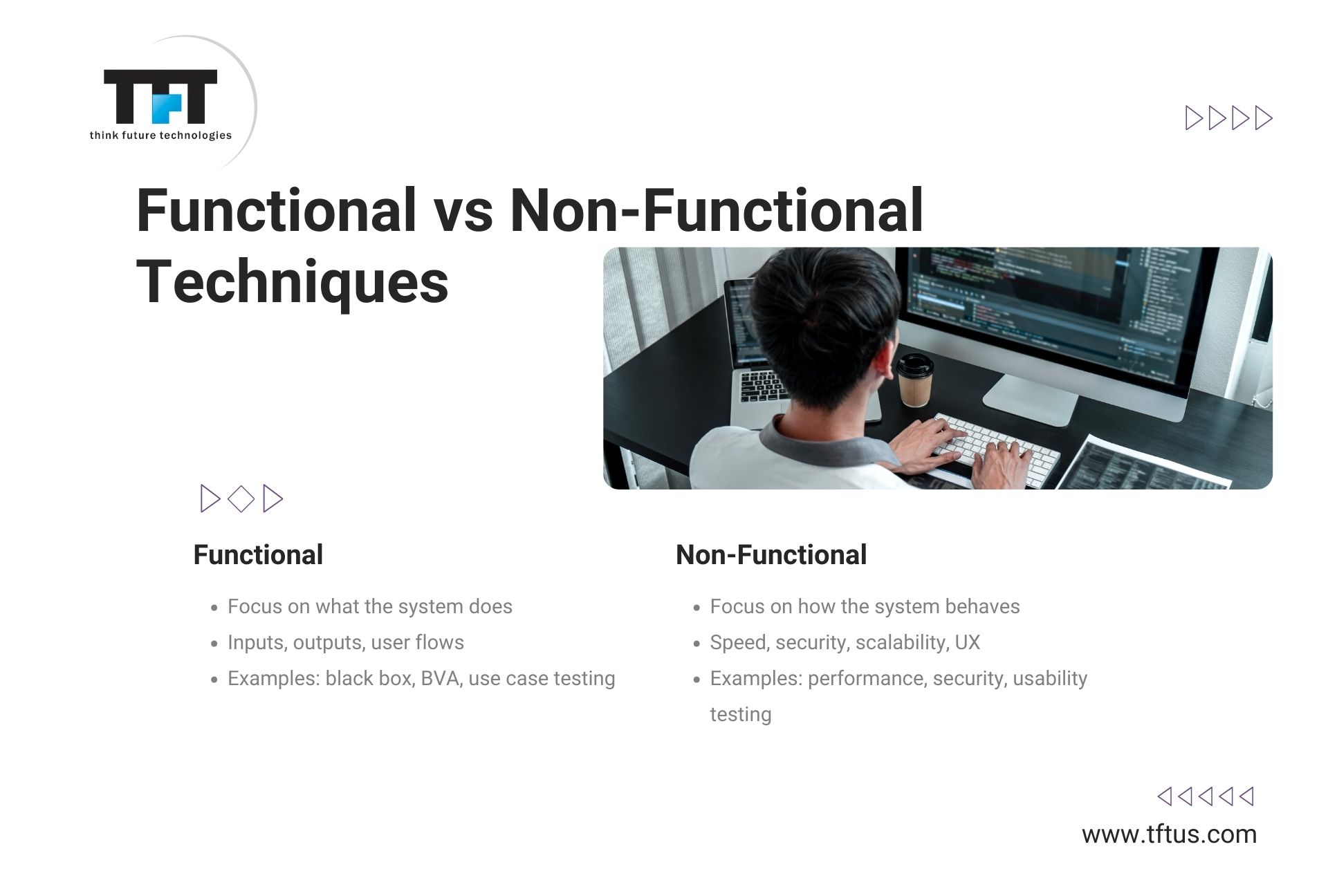
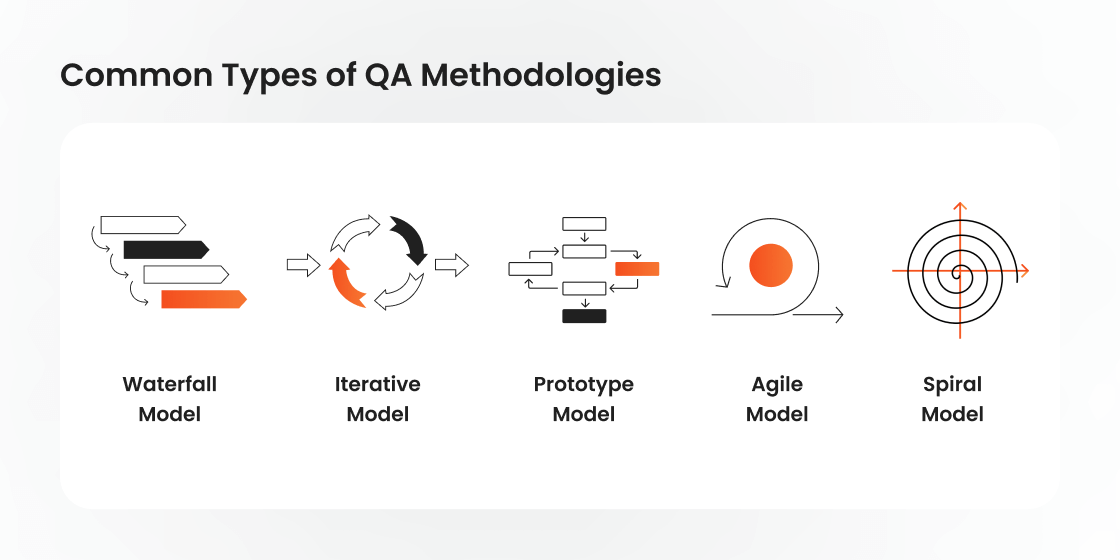
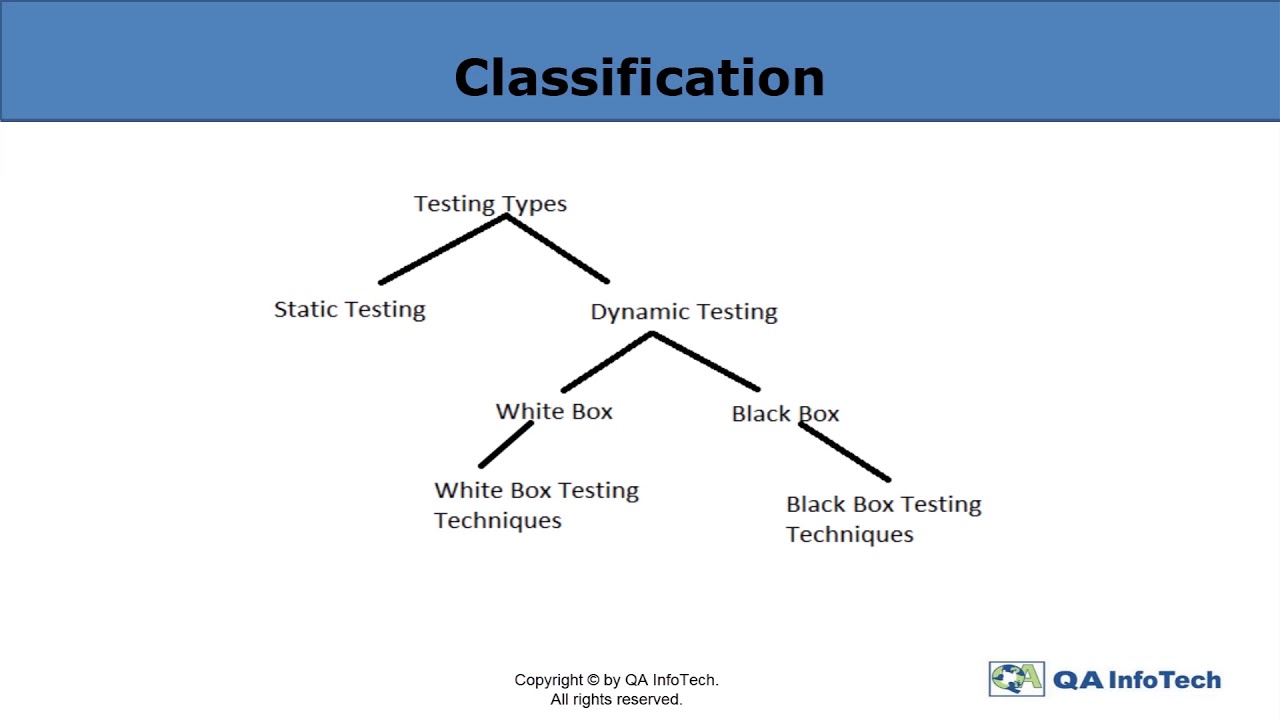
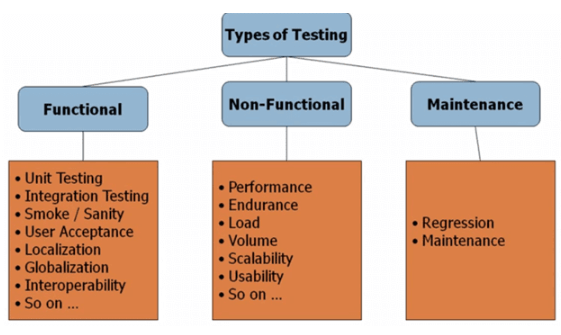
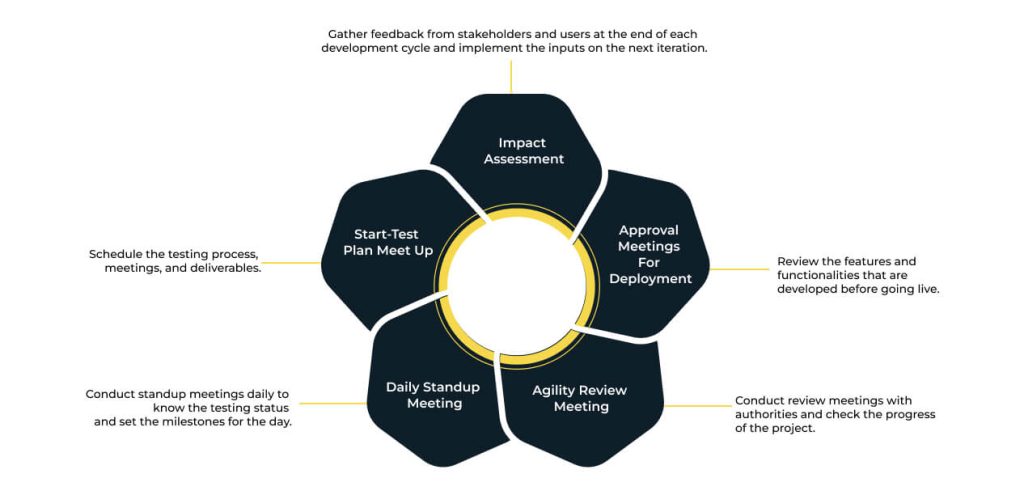
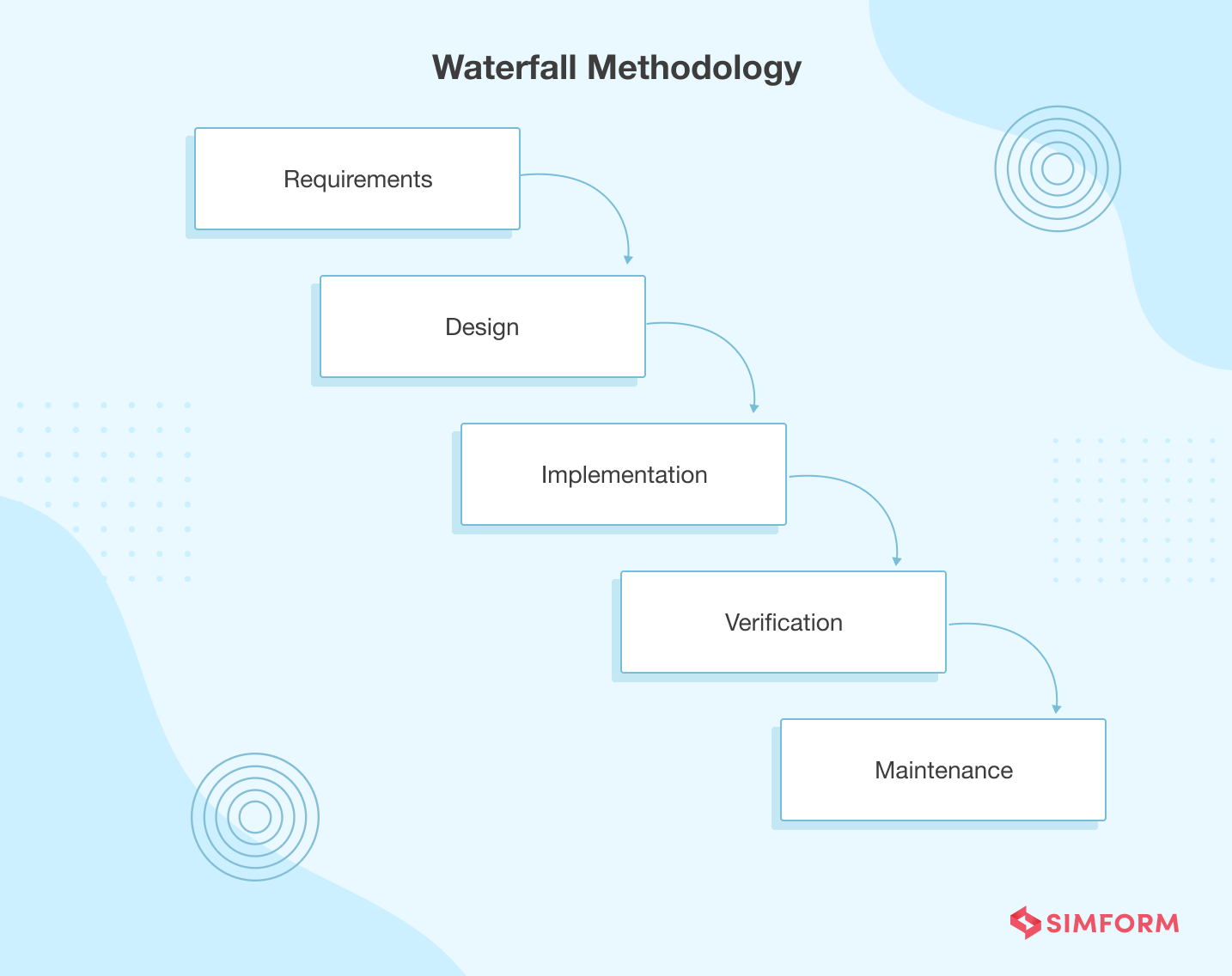
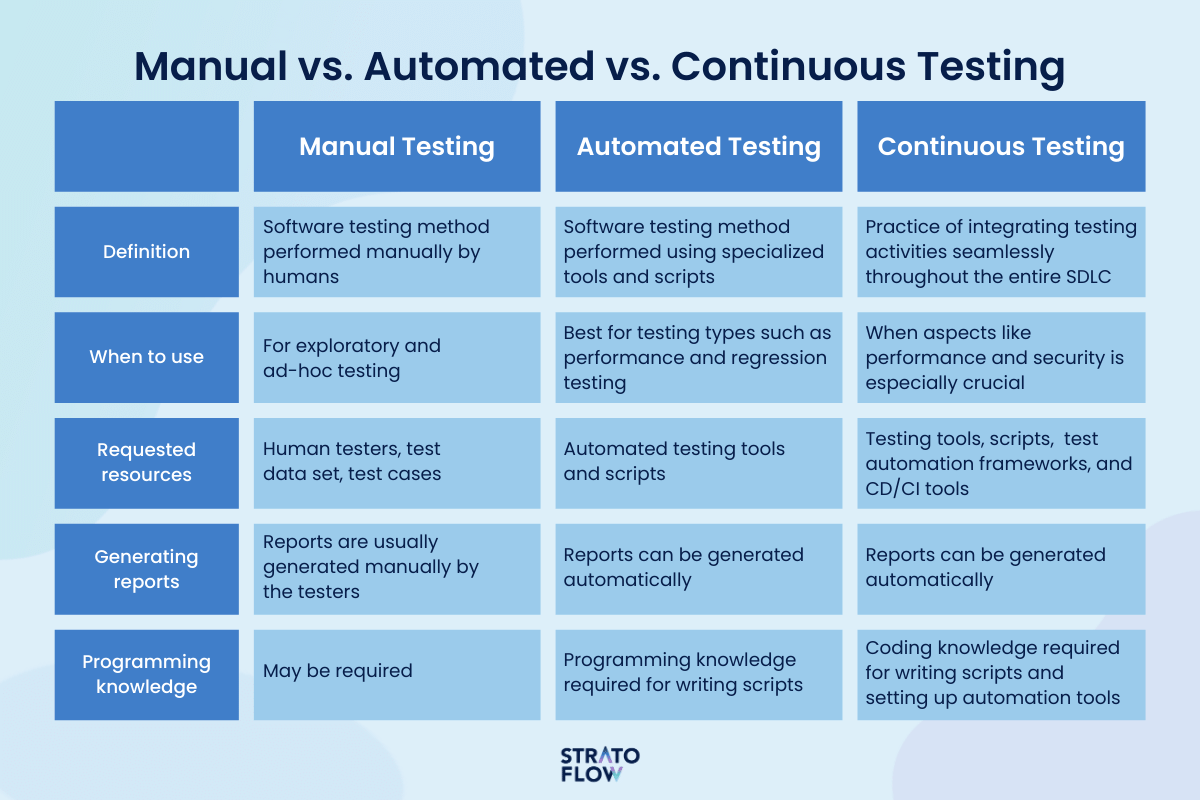
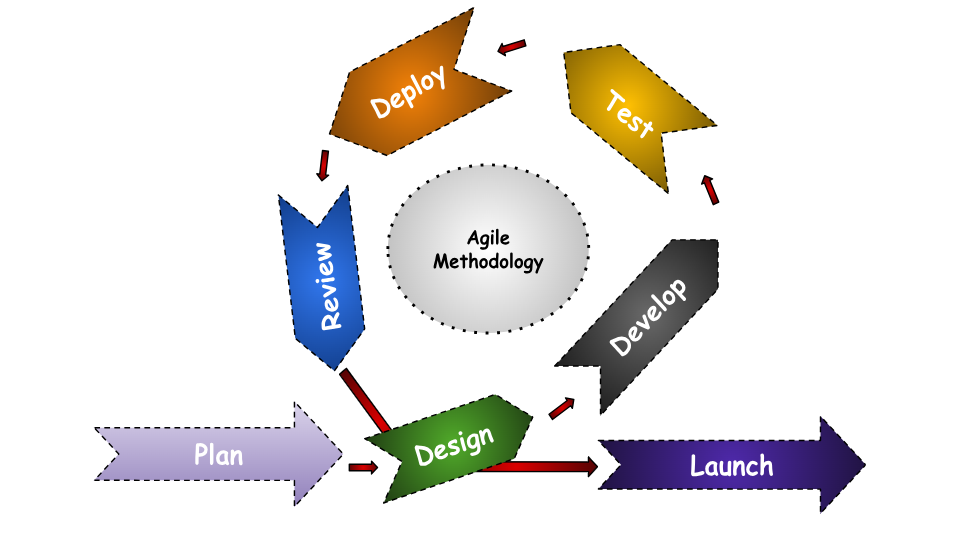
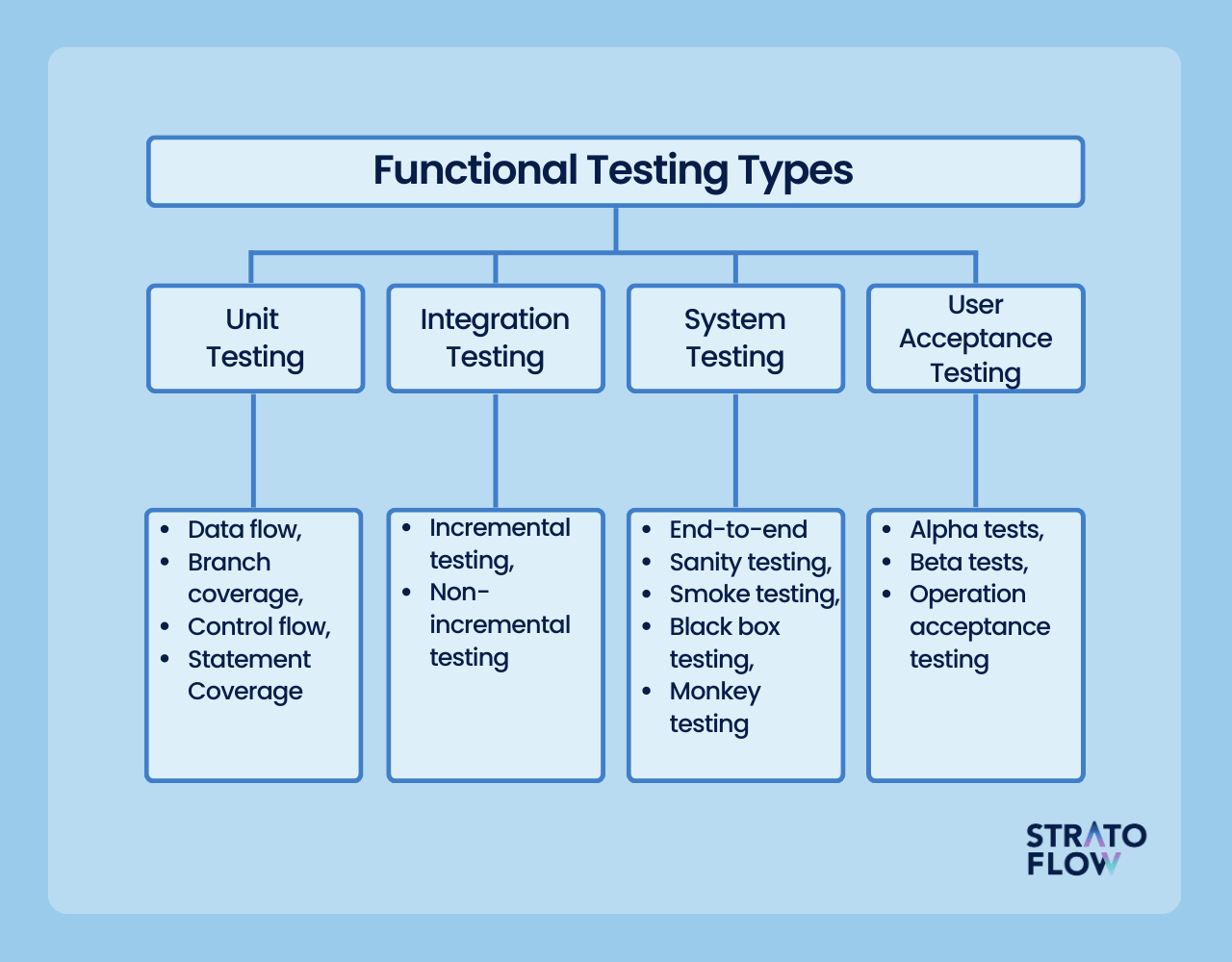
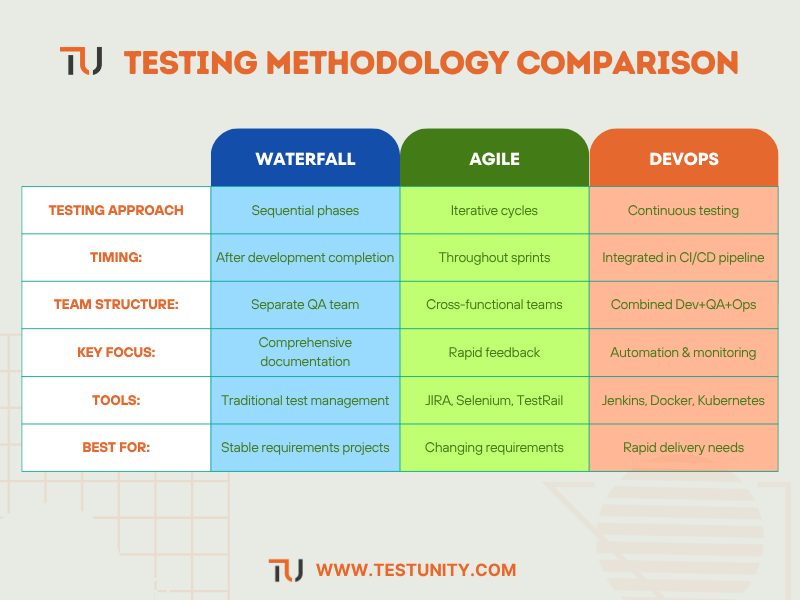
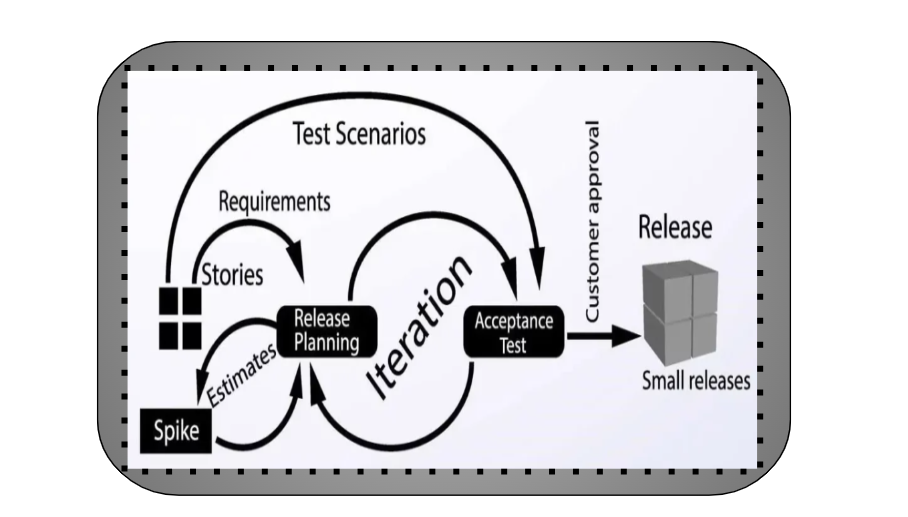
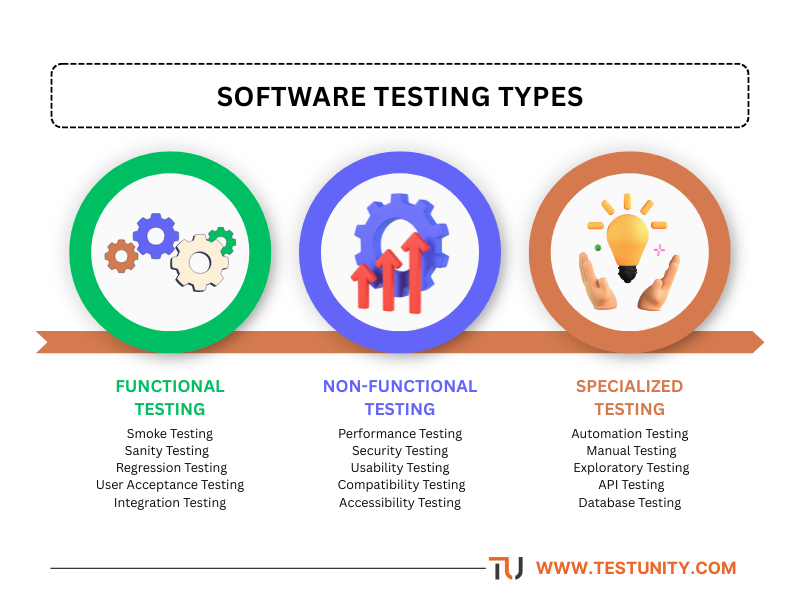
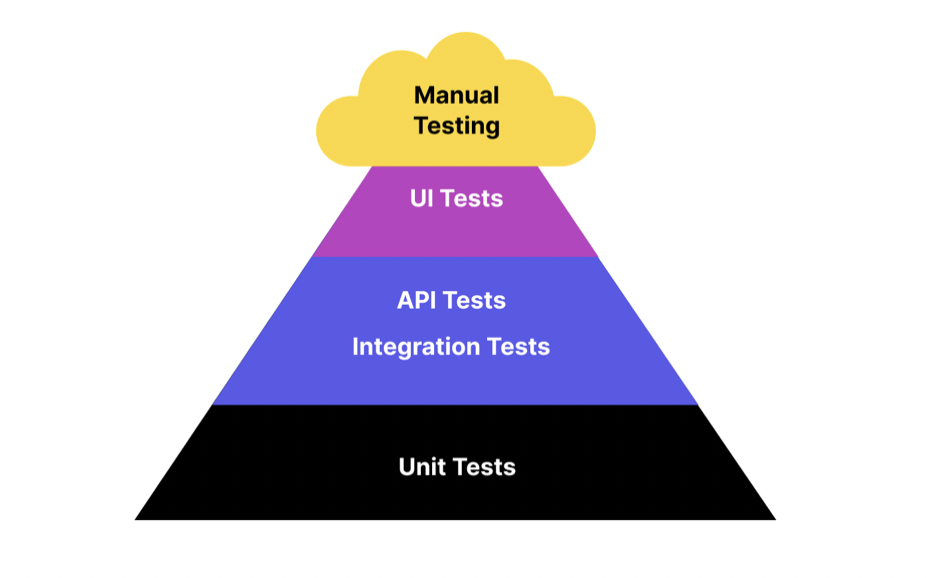
Software testing methodologies are techniques used to ensure software meets requirements and works as expected. They help identify defects early on, reducing costs and improving overall quality . Test-driven development (TDD) involves writing tests before coding, ensuring functionality is met at every step . Behavior-Driven Development (BDD) focuses on defining behavior through scenarios, verifying that software behaves as intended . Agile testing approaches prioritize iterative testing, with frequent releases and feedback from stakeholders . Black box testing evaluates software solely based on input/output, without knowing internal workings . White box testing, also known as clear box testing, examines code-level details to identify defects . Gray box testing combines black and white box techniques for a balanced approach . Equivalence partitioning divides test cases into partitions based on input data, ensuring comprehensive coverage . State transition testing focuses on software's behavior when transitioning between different states . Pairwise testing selects unique combinations of input variables to ensure thorough testing . Scenario-based testing simulates real-world scenarios to validate software functionality . Automated testing uses software tools to execute tests, reducing manual effort and improving efficiency . Exploratory testing involves human testers exercising the software to identify defects and improve understanding .
 Images
.png)

.png)


















 Videos










 Articles
 Shopping




















 Media Sources